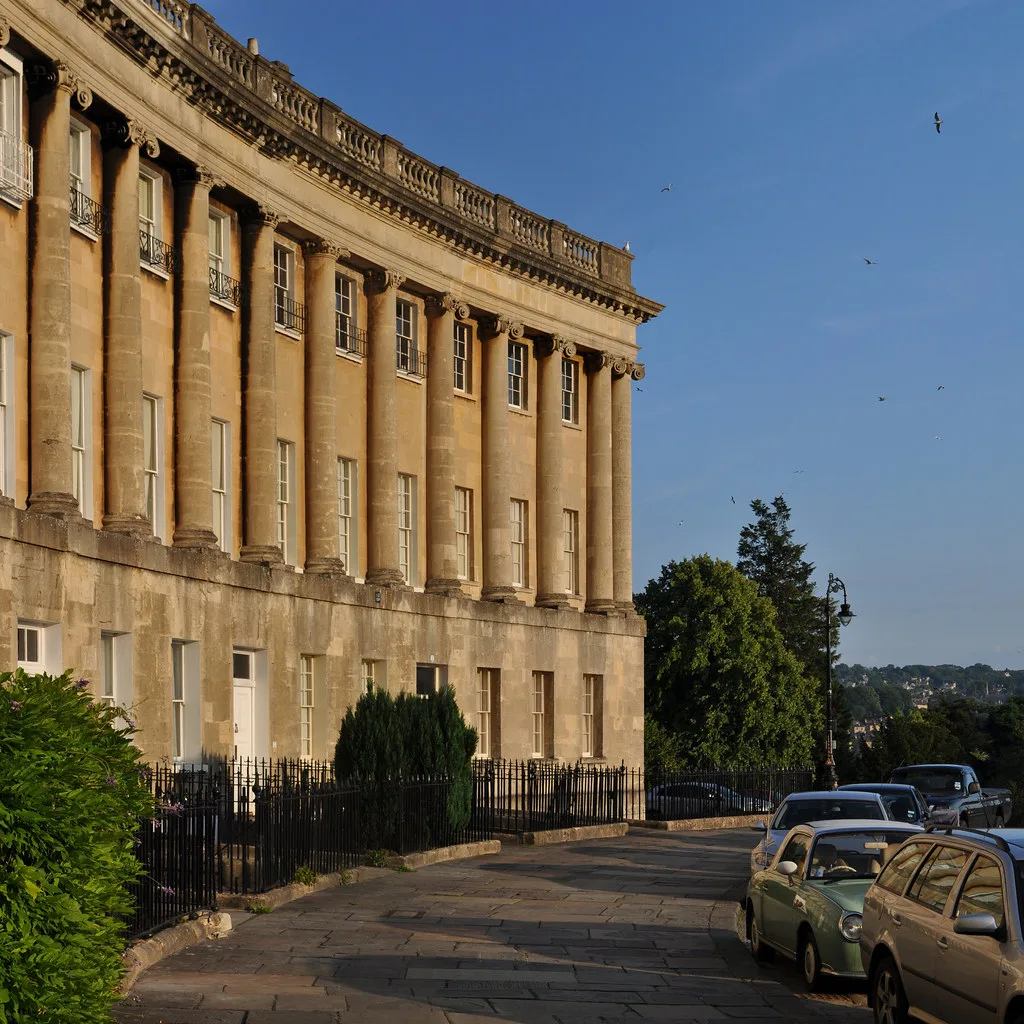

Council leader Kevin Guy says there is "no intent at all" to give up Bath's World Heritage status. The council's own housing case leans on that status.
The leader of Bath and North East Somerset Council says there is “no intent at all” for Bath to give up its World Heritage status. Councillor Kevin Guy put it at the top of the council’s weekly e-connect newsletter on 1 October.
It follows a week of national and regional headlines suggesting Bath could temporarily drop the status so that it can build more homes. Those reports came out of a council scrutiny panel meeting on 24 September. The minutes of that meeting have not been published yet.
What the leader said
In full, the opening of his update reads:
“I want to start my update by being absolutely clear that there is no intent at all for Bath to relinquish its unique double inscribed World Heritage status. Indeed, we want to work with the United Nations Educational, Scientific and Cultural Organization (UNESCO) on creating a city that is an exemplar to the world on how heritage can be protected, whilst tackling the growing need for affordable homes.”
He added that the council would “continue to apply pressure on central government” to work with ICOMOS, UNESCO’s heritage advisers, on how to protect Bath “without limiting its capacity to grow and adapt”.
The statement does not say what was or was not discussed at the panel. It is the council’s only published word on the subject so far.
Why the status matters to the housing numbers
Bath holds two separate UNESCO inscriptions. The whole city was inscribed in 1987. It was inscribed again in 2021 as one of the Great Spa Towns of Europe, according to the city’s World Heritage Site team. The team calls Bath “a rare double-inscribed World Heritage Site”.
That status is central to the council’s own argument for building fewer homes than the government asks. The officer report on the draft Local Plan, written for the 24 September panel, sets out the numbers (report, PDF):
- the government’s standard method puts the district’s need at 27,324 homes from 2025 to 2043
- the draft plan provides for around 22,000, about 80 per cent of that
- national policy allows a lower figure where protected areas or assets give a strong reason to restrict development
The report then names the reasons. Its list starts with “the City of Bath being a double inscribed World Heritage Site”, followed by two National Landscapes, the Green Belt and other sensitive land.
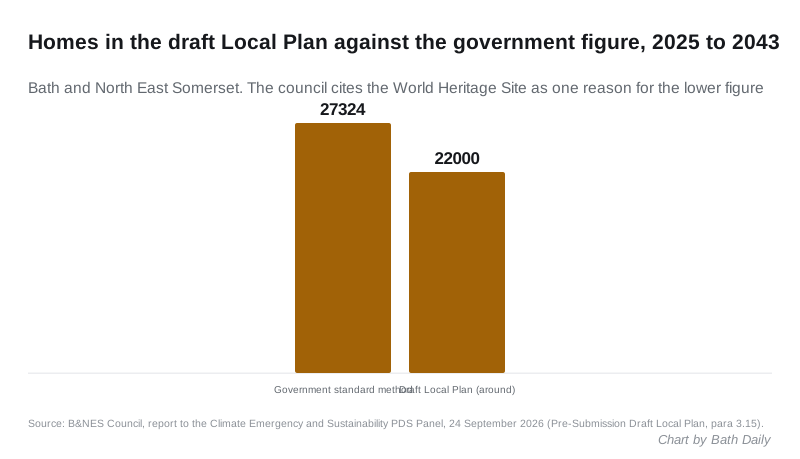
In other words, the inscription is one of the council’s main defences for a target about 5,300 homes below the government figure. The report is frank that this will be tested. It says a requirement below the full need “is likely to be challenged by various stakeholders” at examination.
We have already reported how the draft plan splits the 22,000 homes across the district. One example of the heritage argument at work: land west of Bath, once considered for around 2,000 homes, was left out. The council’s own assessment found it would cause substantial harm to the World Heritage Site.
What happens next
The timetable is tight, and set by government:
- Friday 30 October: the public consultation on the draft Local Plan closes (have your say)
- 15 December: cabinet and full council are expected to decide whether to submit the plan for examination, according to the panel report
- 31 December 2026: the government deadline for submitting plans under the old system. A plan that misses it cannot go on to adoption.
The minutes of the 24 September panel should show what councillors actually said. We will update this page when they are published.
What it means for you
If you want a say on how many homes Bath takes, and where, the consultation is the place to do it. At this stage the council says comments should focus on whether the plan is legally compliant and “sound”, because those are the tests a planning inspector applies.
The heritage case and the housing figure are linked. Anyone arguing for more homes, or fewer, is in effect arguing about how much weight the World Heritage Site should carry. Our guide to Bath planning news tracks the applications the plan will shape.
Have your say